
Why Pain Should Not Be Ignored
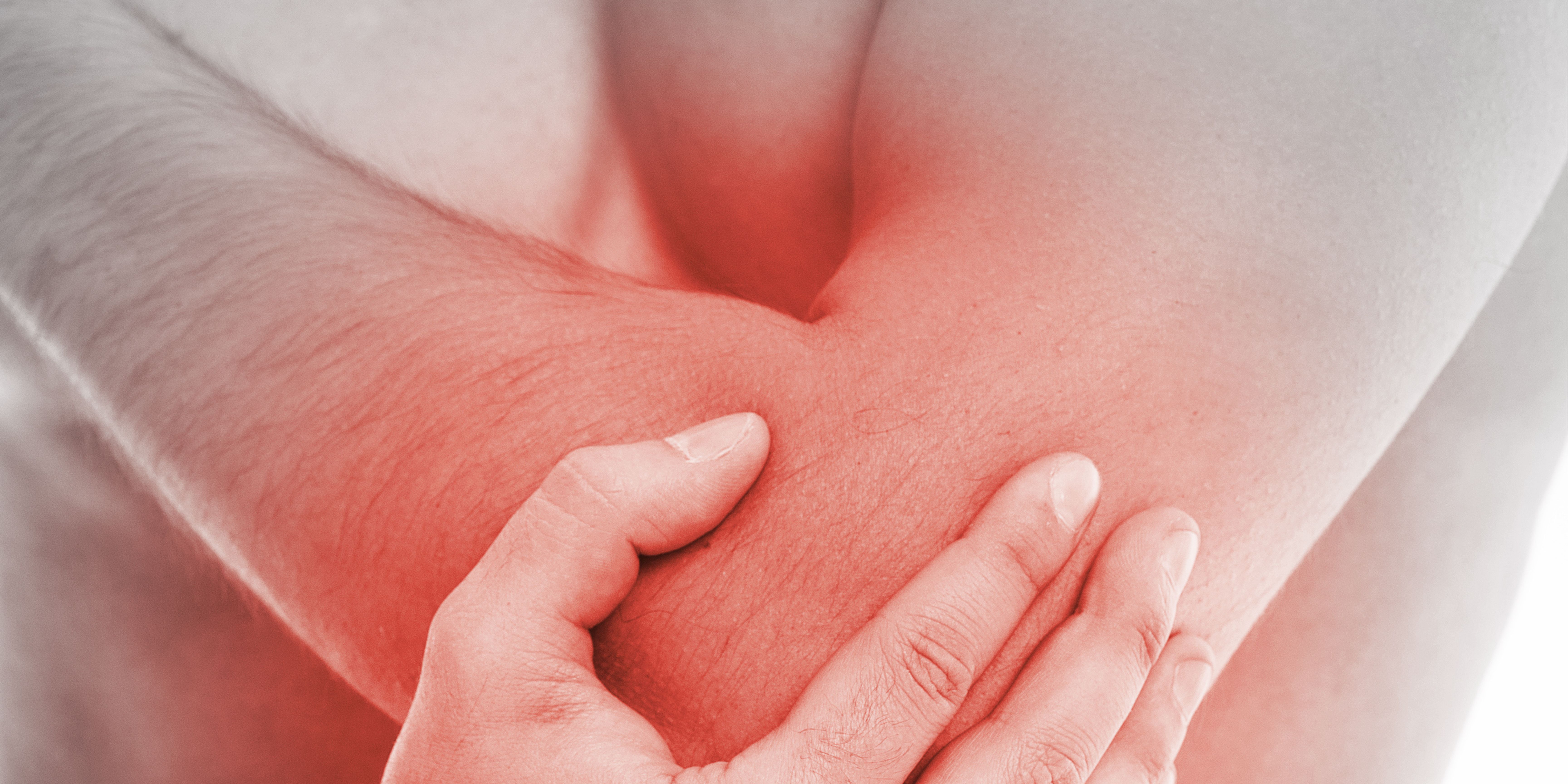
Pain is easy to dismiss. You pop a tablet, apply a balm, stretch a little, and tell yourself it’ll settle. Sometimes it does. But here’s the thing: pain is not just discomfort. Pain is information. It’s your body’s built-in alert system, trying to tell you something is off. Ignoring it doesn’t make the message disappear. It just delays the moment you’re forced to deal with the real cause.
Some pain is harmless and short-lived, like muscle soreness after a workout or a mild headache after a long screen-heavy day. But pain that repeats, worsens, changes character, or limits your normal life deserves attention. Not because you should panic, but because early action usually means easier recovery, fewer complications, and better long-term health.
Let’s break down why pain shouldn’t be ignored, what it may be signaling, and when it’s time to stop self-managing and get it checked.
Pain Is a Signal, Not the Problem
Pain is often treated like the enemy. But pain is usually a symptom, not the root issue. If you only silence it, you might temporarily feel better while the underlying problem quietly grows.
Think of it like a warning light on a dashboard. You can cover the light with tape, but the engine problem is still there. Pain works the same way. It can be your body’s way of saying:
- Something is inflamed
- A nerve is irritated or compressed
- A joint is overloaded
- An organ is stressed
- A tissue is injured and needs rest
- Infection or disease may be developing
The goal isn’t to fear pain. The goal is to understand what it’s trying to tell you.
When Ignoring Pain Turns a Small Issue Into a Big One
Most chronic conditions don’t appear overnight. They build up over weeks, months, or years. Pain is often the first clue.
For example:
- Ignoring recurring back pain can lead to long-term posture issues, disc problems, or nerve compression.
- Ignoring knee pain may cause compensation while walking, which then affects hips and lower back.
- Ignoring jaw pain or headaches may hide teeth grinding, stress overload, or even nerve-related issues.
- Ignoring persistent stomach pain may delay diagnosis of ulcers, gallbladder issues, or inflammatory conditions.
Small problems are easier to fix. Big problems require longer treatment, more cost, and more disruption to life. Paying attention early is a form of self-protection.
Pain Can Be Physical, But Also Linked to Stress
Not all pain is purely mechanical. Stress and emotional strain can show up in the body in very real ways.
Common examples:
- Tension headaches
- Neck and shoulder tightness
- IBS-like stomach discomfort
- Chest tightness during anxiety
- Worsening of existing pain conditions
This doesn’t mean the pain is “all in your head.” It means the nervous system and muscles respond to stress. If you ignore these signals, your body stays stuck in a high-alert state, and pain becomes more frequent and harder to calm down.
Self-Medication Can Hide Important Clues
Painkillers have a place. They help people function, sleep, and recover. But relying on them repeatedly without understanding the cause can be risky.
Overuse of pain medication can:
- Mask symptoms of serious problems
- Create rebound headaches (especially with frequent headache medication)
- Irritate the stomach lining and affect digestion
- Put pressure on the liver or kidneys depending on the drug and dosage
- Create a cycle where you treat pain instead of preventing it
This is why responsible guidance matters. Many pharmaceutical companies focus on pain management solutions, but the best outcomes happen when pain relief is paired with diagnosis and lifestyle correction, not used as a long-term cover-up.
Pain That Keeps Coming Back Is Not “Normal”
A lot of people normalize pain because they’ve lived with it for so long. They say things like:
- “It’s just part of aging.”
- “I always have shoulder pain.”
- “My periods are supposed to hurt.”
- “My job is stressful, headaches are normal.”
Occasional discomfort can happen. But pain that becomes a pattern is your body asking for a change. You don’t need to accept it as your default state.
Certain Types of Pain Can Signal Emergencies
Most pain is not life-threatening, but some pain should never be ignored.
Get urgent medical help if pain is accompanied by:
- Sudden chest pressure or pain spreading to arm/jaw
- Shortness of breath, fainting, sweating, or nausea
- Sudden severe headache unlike anything you’ve felt
- Weakness or numbness on one side of the body
- Severe abdominal pain with fever or vomiting
- Pain after a serious injury, fall, or accident
- Severe testicular pain (especially sudden onset)
The point isn’t to scare you. It’s to make sure you don’t delay care when it truly matters.
The Business Angle: Why Early Attention Saves Time and Money
People don’t just ignore pain because they’re careless. They ignore it because of work deadlines, family responsibilities, lack of time, or fear of what the doctor might say.
Now consider this: ignoring pain often leads to more downtime later.
This is true in health and in business. A Software company in india wouldn’t ignore repeated system crashes and only apply temporary patches forever. They’d run diagnostics, locate the bug, and fix the root cause because long-term stability matters more than short-term comfort. Your body works the same way. Quick relief is fine, but root-cause correction is the real upgrade.
And just like global tech ecosystems collaborate across borders, health solutions are global too. Whether it’s research innovations from a Pharma company in germany or advances in clinical protocols elsewhere, the best health outcomes come from acting early, getting evaluated, and choosing the right intervention.
How to Listen to Pain Without Overreacting
You don’t need to become anxious about every ache. You just need a smart approach.
Use this simple checklist:
- Duration: Has it lasted more than 7–10 days?
- Frequency: Does it keep coming back?
- Intensity: Is it worsening or interfering with sleep/work?
- Pattern: Is it linked to a movement, food, stress, or time of day?
- Red flags: Is it paired with fever, weight loss, numbness, weakness, or swelling?
If two or more boxes are checked, it’s worth consulting a qualified professional.
What You Can Do Today
If you’re dealing with ongoing pain, start here:
- Track it for 3–5 days: note when it happens, what worsens it, what helps.
- Reduce triggers: poor posture, dehydration, sleep debt, repetitive strain, stress spikes.
- Don’t overload the area: rest doesn’t always mean zero movement, but avoid pushing through sharp pain.
- Get assessed: a proper check can save months of guesswork.
Conclusion
Pain is not weakness. Pain is communication. The real problem isn’t feeling pain, it’s ignoring the message and hoping it goes away on its own.
When you respond early, you give yourself options: simpler treatment, faster recovery, and fewer long-term complications. Whether the solution comes through better habits, physiotherapy, medical care, or the support systems built by pharmaceutical companies, the right move is the same: take pain seriously.
Because your body isn’t trying to ruin your day. It’s trying to protect your future.