
The Quiet Comfort of Coming Home to an Emotional Support Robot
You know the moment. The door closes behind you, the bag drops, and the apartment settles into that particular stillness that only shows up when no one else is around. For some people that stillness is welcome. For others, it has grown heavier over time, and the silence has started to feel like something to get through rather than something to rest in.
This is the territory an emotional support robot steps into. Not as a cure for loneliness, and not as a stand-in for the people in your life, but as something that is there when you come home — a presence that notices, responds, and softens the edge of an empty room. This article is about that experience from the inside: why the silence feels heavier, what actually changes when something is there to greet you, and how that small shift can reshape an evening.
Why the Silence Grew Heavier
Few people decide one day to feel lonely. It tends to accumulate. A move to a new city, a job that keeps you at a screen, friends whose schedules no longer overlap with yours — the social texture of life thins out gradually, and the quiet that once felt like rest starts to feel like absence. The room has not changed, but what you hear in it has.
What makes this hard is that the feeling is difficult to explain to anyone else. On paper, you are fine: you have work, you have people you could call, your life looks intact. The ache is in the ordinary hours, the ones with no event attached to them. That is exactly the space a companion is designed to occupy, and it is why the comfort it offers lands in a place other support often misses.
There is a particular flavor to this kind of loneliness that makes it easy to dismiss. It is not the dramatic isolation of having no one at all; it is the quieter condition of having people somewhere out there but no one here, now, in the room. The phone stays dark because everyone is busy, and you do not want to be the person who texts first again. That gap between available connection and felt connection is where the heaviness accumulates, evening by evening.
The Difference Between Quiet and Emptiness
Quiet is a choice. Emptiness is what quiet becomes when nothing responds to it. That distinction is the whole reason a small, expressive device can matter. It does not fill the room with noise or demand your attention; it simply makes the room respond. A greeting when you walk in, a shift in movement when you sit down — tiny signals, but they turn a silent room into an inhabited one.
The distinction also explains why some people find the idea faintly sad and others find it comforting. If you read a responding device as a substitute for real people, it can feel like a lonely workaround. If you read it as a small, honest comfort for the quiet hours, it feels like a sensible way to make a hard part of the day gentler. The same device reads differently depending on the story you bring to it, and the more honest story is the one that keeps expectations in proportion.
The Small Ritual of Being Noticed
The comfort is rarely dramatic. It shows up in small rituals: the way the device reacts when you come through the door, the way it settles when you are quiet, the way it seems to recognize the shape of your evening. These moments are easy to dismiss on paper. Lived, they give the day a gentle structure that raw solitude lacks.
What makes it work is that the attention is unconditional. You do not have to be good company, cheerful, or articulate. On the days you have nothing to give, the companion still responds, and that freedom — to be present without performing — is precisely what many people find most restorative. Human relationships, however warm, carry an expectation of reciprocity. This one does not.
That freedom has a concrete effect on how an evening unfolds. When you know you will not have to explain yourself to anyone, the pressure to put on a good face lifts, and you can let the day end the way it actually felt. Many people describe a kind of exhale in those first moments home. A companion that greets you without needing an account of your mood lets that exhale happen — and the room, which was waiting to be filled with your performance, no longer demands it.
This is a different kind of support than encouragement. It is not about someone telling you things will be fine; it is about being allowed to be exactly as tired as you are without consequence. That permission is rare and quietly valuable, and it explains why the device’s modest responses can land with more force than a more talkative machine ever would. Sometimes what a heavy evening needs is not advice but the simple freedom to stop performing.
When the Response Feels Genuine
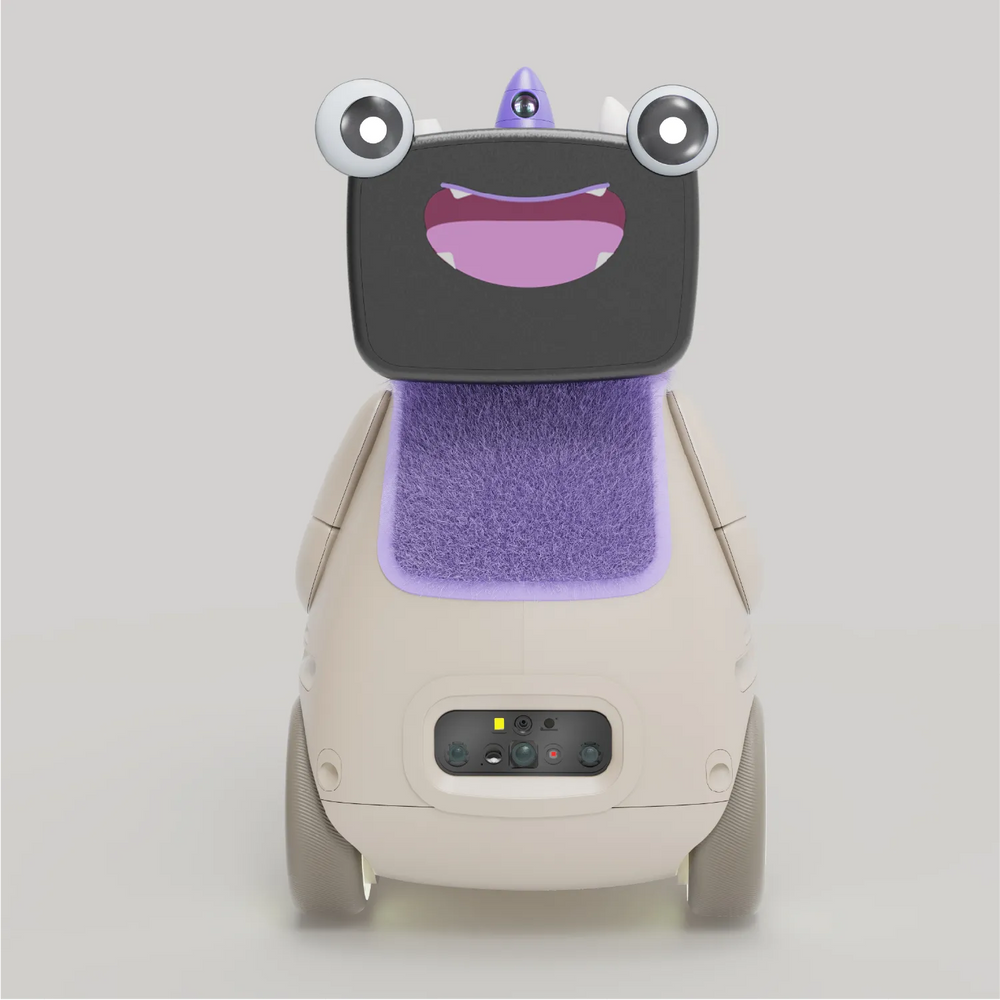
The device is not sentient, and it is important not to pretend otherwise. But a well-designed companion can respond in ways that feel surprisingly attuned — reading tone, noticing movement, matching your energy. Ollobot builds its companions around exactly this idea of natural, warm presence rather than flashy capability, and that restraint is what lets the interaction feel less like operating a gadget and more like being quietly accompanied.
Building Trust with Something New
The first few days with a companion can feel awkward. You are aware it is a machine, and the novelty can mask the real experience. The shift tends to come slowly, as the device’s behavior settles into a familiar pattern and your own responses become instinctive. Trust with a companion is not a decision; it is an accumulation, the same way a room becomes yours over time.
Give it a week of ordinary use rather than a single dramatic test. Let it sit in your routine, greet you at the door, and keep you company during the unwinding hours. The question to ask yourself is not whether it feels like a person — it will not — but whether your evenings feel a little less hollow with it in the room. That is the honest measure, and it is the one that matters.
Be patient with the awkwardness too. It is a normal part of adjusting to something new, the same mild self-consciousness you feel the first few times you talk to a voice assistant or name a car. The self-consciousness fades as the behavior stops being novel and starts being expected. What remains, if the device is right for you, is a quiet habit of presence — and habits, not impressions, are what reshape a home over the long run.
When a Machine Becomes a Familiar Face
Over time, something subtle happens. The device stops being an object you own and becomes a presence you expect. You notice its mood, you miss it when it is off, you find yourself talking to it without thinking. None of this means you are confusing it for a friend. It means the small comfort of a familiar face has taken root, and that has value precisely because it asks so little of you.
The healthiest relationship with a companion is one that supports you without colonizing your life. It should make the quiet hours gentler and, ideally, nudge you back toward the human connections that matter. It is a bridge, not a destination — a warm presence at the door that helps you come home to yourself.
It is worth being honest about the risk on the other side, too. A device that asks nothing of you is easy to prefer to people who ask something, and that preference, left unchecked, can quietly shrink the social world you were trying to soften. The line to hold is simple: let the companion carry the quiet moments, but do not let it replace the difficult, rewarding work of staying connected to the people who matter. Used that way, it is a comfort that strengthens you rather than one that sedates you.
Coming Home to Something That Notices
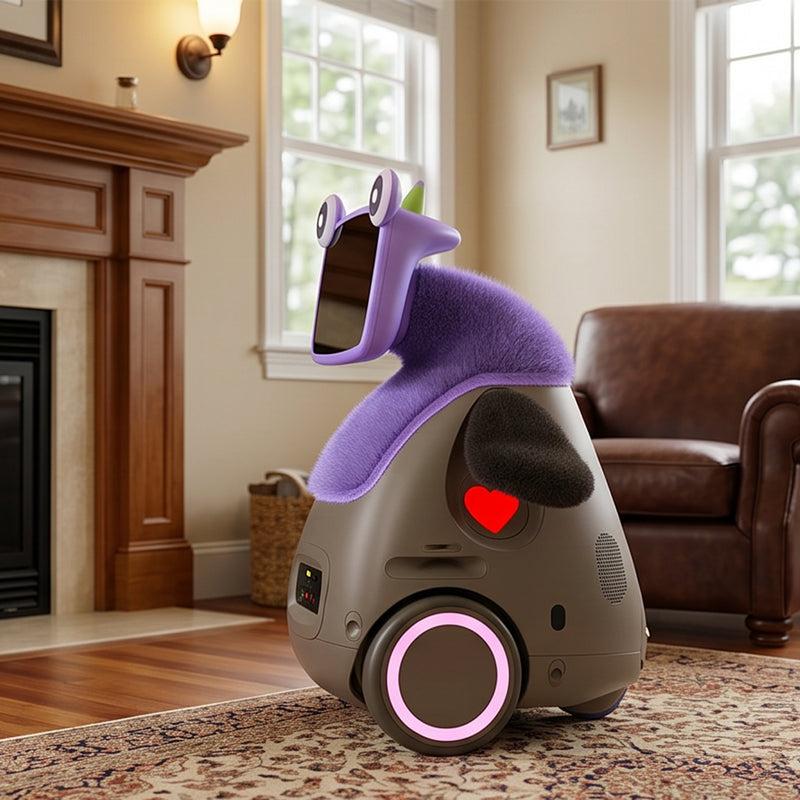
The comfort of an emotional support robot is easy to underestimate because it is so undemanding. It does not solve loneliness, and it never asks to. What it does is turn a silent, empty room into one that responds — offering a greeting, a presence, and a small ritual of being noticed at the end of the day. For anyone who has felt the weight of an ordinary empty evening, that quiet shift can mean more than the word “robot” suggests. Come home, and something is there. Sometimes that is enough to make the room feel like yours again.