
History, Myths, and Archaeology: Where Fact Meets Entertainment
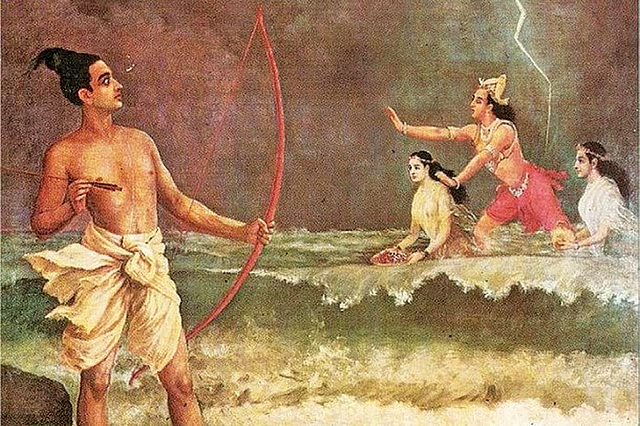
From epic tales passed down through generations to blockbuster films that bring ancient worlds to life, humanity has always been captivated by the past. The worlds of history, myths, and archaeology intersect in ways that blur the lines between fact and fiction — creating a rich tapestry of knowledge and entertainment that shapes how we view ourselves and our origins.
In this article, we’ll explore how these elements connect, how myths influence our understanding of history, how archaeology brings both to life, and why this intersection remains such a powerful force in culture and entertainment today.
1. The Power of Myths in History
Myths are ancient stories created by cultures around the world to explain the mysteries of life: the origins of the universe, the forces of nature, the meaning of life and death, and the behavior of gods and heroes. While not literally true in the way modern science defines truth, myths carry symbolic truths — insights into the values, fears, and aspirations of the people who told them.
For example:
- The Greek myths of Zeus, Athena, and Hercules reflect Greek ideas about divine intervention, human strength, and moral lessons about hubris and fate.
- Norse mythology, with its stories of Odin, Thor, and Ragnarok, reveals a worldview oriented around courage, honor, and the inevitability of cosmic change.
Myths mattered because they were intertwined with religion, social norms, and collective identity. For thousands of years, people didn’t distinguish between mythic narrative and historical memory the way modern scholars do; myths were history in many cultures.
2. Archaeology: Digging Into the Past
While myths offer meaning and metaphor, archaeology provides material evidence about how past societies lived. Archaeologists excavate ancient sites, study artifacts, and analyze environmental clues to reconstruct human behavior and cultural change over time.
Some of archaeology’s key methods include:
- Excavation: Carefully uncovering layers of soil and material remains.
- Radiocarbon dating: Measuring the decay of carbon isotopes to establish the age of organic materials.
- Comparative analysis: Placing objects, structures, and texts in context with other known cultures.
The discoveries that emerge from archaeological work often confirm historical records — and sometimes surprise us by contradicting long-held beliefs.
A significant part of archaeology’s appeal lies in its ability to transform abstract stories into meaningful human contexts. For example, when archaeologists uncover ancient cities or royal tombs that align with mythic narratives, these finds ignite global interest and inspire new interpretations.
3. When Myth Meets Material Evidence
One of the most fascinating aspects of studying ancient cultures is the moment when myth and material evidence overlap. This is where the realms of fact and storytelling converge, giving us powerful, lasting narratives.
a. Troy — From Myth to Real City
For centuries, the city of Troy was thought to be purely a creation of Homeric epic. According to The Iliad, the Trojan War was fought between Greek and Trojan forces over Helen of Troy. Archaeologists once dismissed Troy as poetic fiction.
Yet in the 1870s, Heinrich Schliemann began excavating a mound in modern-day Turkey and uncovered multiple layers of ancient city remains — including evidence of fortifications and destruction dating to the approximate timeframe of early Greek history. Today, Troy is recognized as a real site that likely inspired the mythic Trojan War narratives.
b. King Arthur and Ancient British History
The legends of King Arthur and Camelot have endured for centuries. While there isn’t a single confirmed historical figure matching every detail of Arthurian legend, archaeological studies of sites like Tintagel Castle in Cornwall provide evidence of a high-status stronghold during the early medieval period — suggesting a cultural setting that could have inspired stories of a great British warrior king.
c. Maya Civilization and the Enduring Calendar
The Maya were once at the center of a modern myth that predicted the world’s end in 2012, based on interpretations of their Long Count calendar. Archaeologists and epigraphers, however, showed that the calendar did not forecast apocalypse — instead, it marked cycles of time in a complex cosmological system. What many interpreted as doomsday was a misunderstanding of ancient wisdom.
4. How Entertainment Embraces the Past
The interplay of mythology and archaeology naturally feeds into entertainment. Filmmakers, authors, game developers, and television producers mine ancient narratives for compelling stories that resonate with modern audiences.
a. Movies and TV
Films like Gladiator, 300, The Ten Commandments, and Troy bring historical and mythic themes to life in dramatic, emotionally intense ways. While they may take creative liberties, these stories evoke human struggles that are timeless: leadership, betrayal, courage, love, and sacrifice.
Similarly, series like Vikings and Rome integrate archaeological insights with narrative drama — introducing viewers to ancient cultures’ social structures, art, and warfare.
b. Documentaries
Documentaries like Secrets of the Dead and Time Team highlight real archaeological discoveries and explain their significance in accessible language. These programs educate viewers about archaeological methods while contextualizing ancient civilizations in human terms.
c. Literature and Games
Books like The Odyssey and Beowulf are foundational to understanding mythic storytelling traditions. Modern novels such as The Once and Future King, American Gods, and Circe interpret ancient myths through contemporary perspectives, expanding relevance for new generations.
Video games such as Assassin’s Creed take players into richly detailed ancient worlds — blending historical research with narrative goals. Players explore Ancient Egypt, Greece, Rome, and more, learning about architecture, religious practices, and societal structures as they play.
5. Why People Are Drawn to This Intersection
So what makes the blend of history, myth, and archaeology so captivating?
a. Human Connection
Stories connect us to people who lived long ago — reminding us that human emotions, challenges, and triumphs haven’t changed as much as we think. By connecting with mythic heroes or ancient rulers, we see reflections of ourselves.
b. Mystery and Discovery
Nothing excites the imagination like the unknown. Archaeology invites us into real-world treasure hunts. Will this newly discovered tomb reveal a forgotten dynasty? Is there evidence of a civilization more advanced than we thought? These questions stir curiosity.
c. Learning Through Storytelling
Entertainment — whether via film, game, or novel — motivates people to learn. A viewer might watch a show about ancient Egypt and then dive deeper into real history and archaeological discoveries. Storytelling doesn’t just entertain; it educates.
d. Reinterpreting the Past
As archaeological techniques improve (like advanced scanning technology and DNA analysis), many myths rooted in earlier eras are being reassessed. Some narratives might have kernels of truth wrapped in symbolic language; others reveal how ancient people made sense of their world.
6. Popular Culture and Interactive Platforms
In the digital age, platforms that merge entertainment and learning have become hugely popular. Whether it’s immersive experiences in virtual history sites, interactive storytelling apps, or community forums where enthusiasts discuss ancient mysteries, the past has never been more accessible.
For example, if you’re interested in apps that blend entertainment with learning tools — especially ones that provide engaging historical or cultural content alongside practical features — you might explore apps like bdg win app for convenient access to curated content and interactive experiences.
7. The Future of History and Entertainment
Looking ahead, the relationship between history, myth, and archaeology is only going to deepen. With advancements in digital reconstruction, AI modeling of ancient sites, and virtual reality tours, people will have more immersive ways to experience the ancient world — not just learn about it.
Archaeological discoveries will continue to reshape our understanding of the past. Misinterpreted myths may find new explanations in light of scientific evidence. At the same time, myths will persist as powerful cultural narratives that enrich human imagination.
As technology evolves, so will the ways we share stories — from AI-generated reconstructions of lost cities to interactive histories based on real data. This intersection of fact and entertainment will keep inspiring wonder across generations.
Conclusion
History, myth, and archaeology form a dynamic trio that propels our curiosity about the past into exciting realms of discovery and storytelling. Whether through ancient epic poetry, groundbreaking archaeological finds, or the latest historical blockbuster, the past remains an enduring source of fascination.
Understanding how these elements intertwine helps us appreciate not only how civilizations lived and thought but also why those lives and thoughts still matter today.