
Inside the Mind of a Slot Player: What Designers Know About Human Behavior
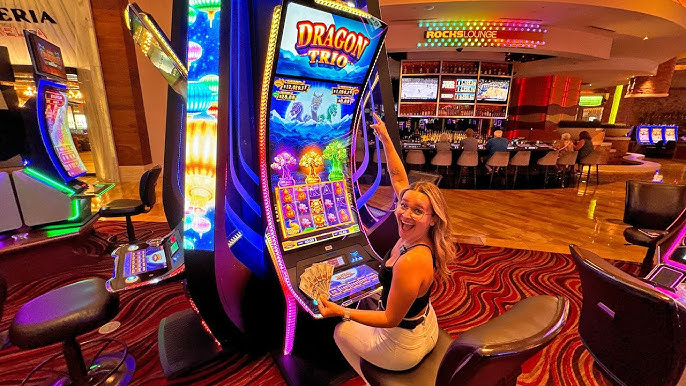
Slot machine designers employ sophisticated psychological principles to create compelling experiences that keep players engaged. Here’s what they understand about human behavior:
Cognitive Biases Exploited
Near-miss Effect: When symbols almost line up for a jackpot, the brain processes it similarly to an actual win, triggering dopamine release. Designers intentionally create these “near wins” to encourage continued play.
Illusion of Control: Features like “stop” buttons or bonus rounds where players make choices create a false sense of agency, even though outcomes are determined by Random Number Generators.
Availability Heuristic: Rare big wins are prominently displayed and celebrated with lights and sounds, making them more memorable than frequent small losses.
Sensory Manipulation
Audiovisual Feedback: Winning combinations trigger euphoric sounds and flashing lights, while losses produce subtle, less noticeable feedback. This reinforces wins emotionally while minimizing attention to losses.
“Losses Disguised as Wins”: When you bet multiple lines and get back less than your original wager but still hear winning sounds, your brain registers it as a win rather than a net loss.
Tactile Elements: Physical buttons and lever-pulling (even when electronic) create more engagement than touchscreens alone.
Temporal Dynamics
Variable Ratio Reinforcement: Like Skinner’s pigeons, humans respond most strongly to unpredictable rewards. Slot machines provide wins at random intervals to create persistent engagement.
Thematic Immersion: Elaborate storylines, characters, and progressive narratives extend play sessions by creating investment in outcomes beyond pure monetary gain.
“Time-on-device” Optimization: Every element—from spin speed to bonus game duration—is calibrated to maximize play time while maintaining engagement.
Behavioral Economics Applications
Sunk Cost Fallacy: Players often continue playing to “recoup losses,” viewing money already spent as an investment rather than a loss.
Endowed Progress Effect: Bonus meters that show progress toward a reward (even when artificially accelerated) motivate continued play to reach the goal.
Anchoring: Disproportionate jackpot amounts (relative to typical bets) make normal winnings seem insignificant by comparison, encouraging larger bets.
Ethical Considerations
While these techniques are legal and widely used in gaming design, they raise questions about responsible design practices. Many jurisdictions now require:
- Clear display of odds
- Visible time and money spent
- Reality checks and self-exclusion options
- Limits on “autoplay” features
Understanding these psychological mechanisms helps explain why slot server luar machines can be particularly engaging—and why responsible gambling practices emphasize awareness of these design elements.
The “Zone” State & Dissociation
Designers aim to induce a trance-like state known as “The Zone,” where time, space, and monetary value seem to dissolve. This is achieved through:
- Sensory Deprivation & Overload: Casinos are famously windowless and clockless. The machine itself becomes the player’s entire universe. The constant, rhythmic auditory and visual stimulation (repetitive music, spinning reels, ambient casino sounds) can induce a mild dissociative state, lowering critical thinking.
- Automation Features: “Auto-spin” allows players to pre-set bets and let the machine run, minimizing the cognitive and physical effort required for each decision. This reduces moments of reflection where a player might reconsider.
Personalization & The “Almost-You” Effect
Modern slot server luar use player-tracking data (from loyalty cards) to create a personalized experience:
- A machine might greet you by name on the screen.
- Bonus games might incorporate themes from games you’ve played before.
- This creates a powerful parasocial bond with the machine, making it feel like “your” machine, which increases loyalty and return visits.
The Myth of “Due” Wins & The Gambler’s Fallacy
The human brain is terrible at understanding true randomness. We see patterns where none exist.
- After a long losing streak, players believe a win is “due.” Designers amplify this by showing recent “big wins” on the machine’s display or using audio that builds tension during a dry spell, implying a change is imminent.
- In reality, each spin is an independent event. The machine has no memory. The feeling of “it’s about to pay” is entirely manufactured.
