
Why Cold Water Soaking Transforms Your Potatoes Before Cooking
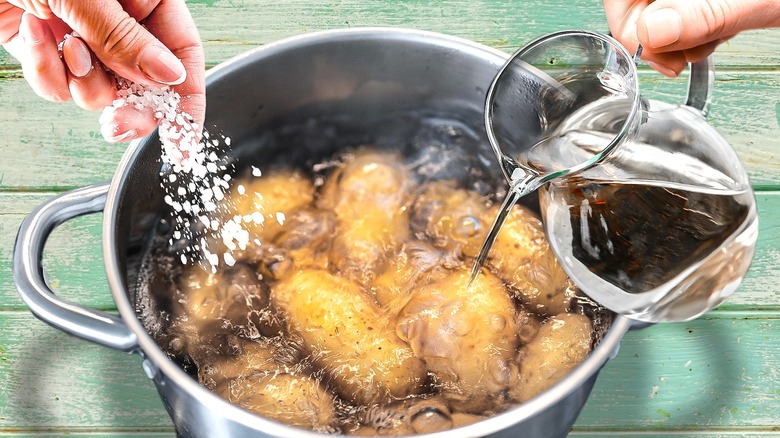
Potatoes are a kitchen staple, loved for their versatility in everything from crispy French fries to fluffy mashed potatoes. Yet, one small preparation step can completely change the way they taste and cook: soaking in cold water. While it may seem unnecessary, this practice plays an important role in texture, flavor, and overall cooking results. Understanding why cold water soaking transforms your potatoes can help you unlock their full culinary potential.
The Science of Starch Removal
Potatoes are naturally packed with starch. When cut, the surface releases starch that can interfere with cooking. For example, excess starch prevents potatoes from crisping properly in the oven or fryer, often leaving them gummy or unevenly cooked. Soaking in cold water helps rinse away that extra starch, making it easier to achieve golden, crispy exteriors and light, fluffy interiors.
This process doesn’t remove all the starch—it only reduces it to a level where cooking techniques can work more effectively. For dishes that rely on a crisp bite, like French fries, wedges, or roasted cubes, this soaking step is a game changer.
How Cold Water Affects Texture
Temperature plays a big role in soaking. Cold water is ideal because it firms up the potato’s structure. By drawing out excess starch while keeping the potato firm, cold soaking ensures the tubers hold their shape better during cooking.
Warm or hot water, by contrast, can activate starch prematurely, making potatoes sticky and more prone to falling apart when cooked. Cold water keeps everything stable until the right moment—when heat from the oven, pan, or fryer transforms them into the texture you’re aiming for.
Enhancing Roasted Potatoes
If you’ve ever wondered, do you need to soak roasted small potatoes before putting them in the oven, the answer depends on the result you want. Soaking isn’t strictly necessary, but it can make a noticeable difference. Without soaking, small potatoes will roast just fine, but they may not develop the same crispy exterior that soaking encourages. By removing surface starch, you give them a better chance to brown evenly and create that perfect crunchy bite, especially when tossed in oil or seasoning.
So, while not required, soaking roasted small potatoes is a helpful trick if your goal is maximum crispiness without overcooking the interior.
The Role in Frying and Mashing
Cold water soaking is especially important for frying. French fries benefit greatly from this step, as the removal of excess starch prevents them from sticking together and creates that golden, restaurant-quality crunch. Some cooks even go a step further by soaking twice—first to release starch and then again after parboiling for extra crispiness.
For mashed potatoes, soaking plays a slightly different role. By removing some starch, you reduce the risk of ending up with a gluey or overly heavy mash. The result is a smoother, fluffier side dish that pairs beautifully with everything from roasts to stews.
Practical Tips for Soaking
- Timing matters: Soak potatoes for at least 30 minutes, though longer (up to a few hours) can yield even better results.
- Keep it cold: Always use cold water, and if soaking for extended periods, refrigerate to maintain freshness.
- Rinse after soaking: Before cooking, give potatoes a final rinse to wash away any lingering starch.
- Dry thoroughly: Pat potatoes dry with a towel before roasting or frying. If there is moisture on the surface, it can stop the food from cooking and cause it to splash in hot oil.
Final Thoughts
Cold water soaking might feel like an extra step, but it has a transformative effect on potatoes. From roasted small potatoes to fries and mash, the practice enhances texture, promotes even cooking, and brings out the best in this humble ingredient. You might not need to soak every batch, especially for quick meals during the week, but it’s one of the easiest ways to improve your cooking and get consistently good results.